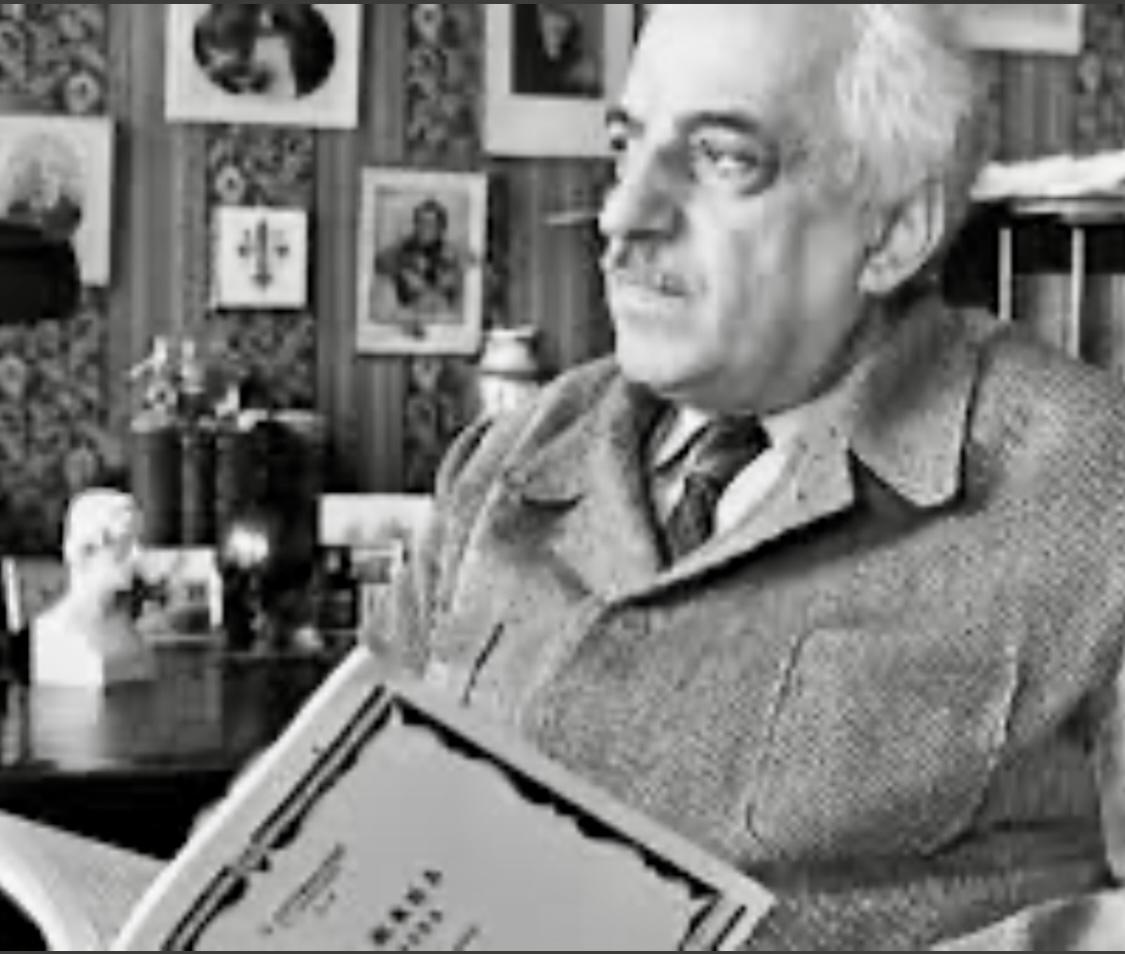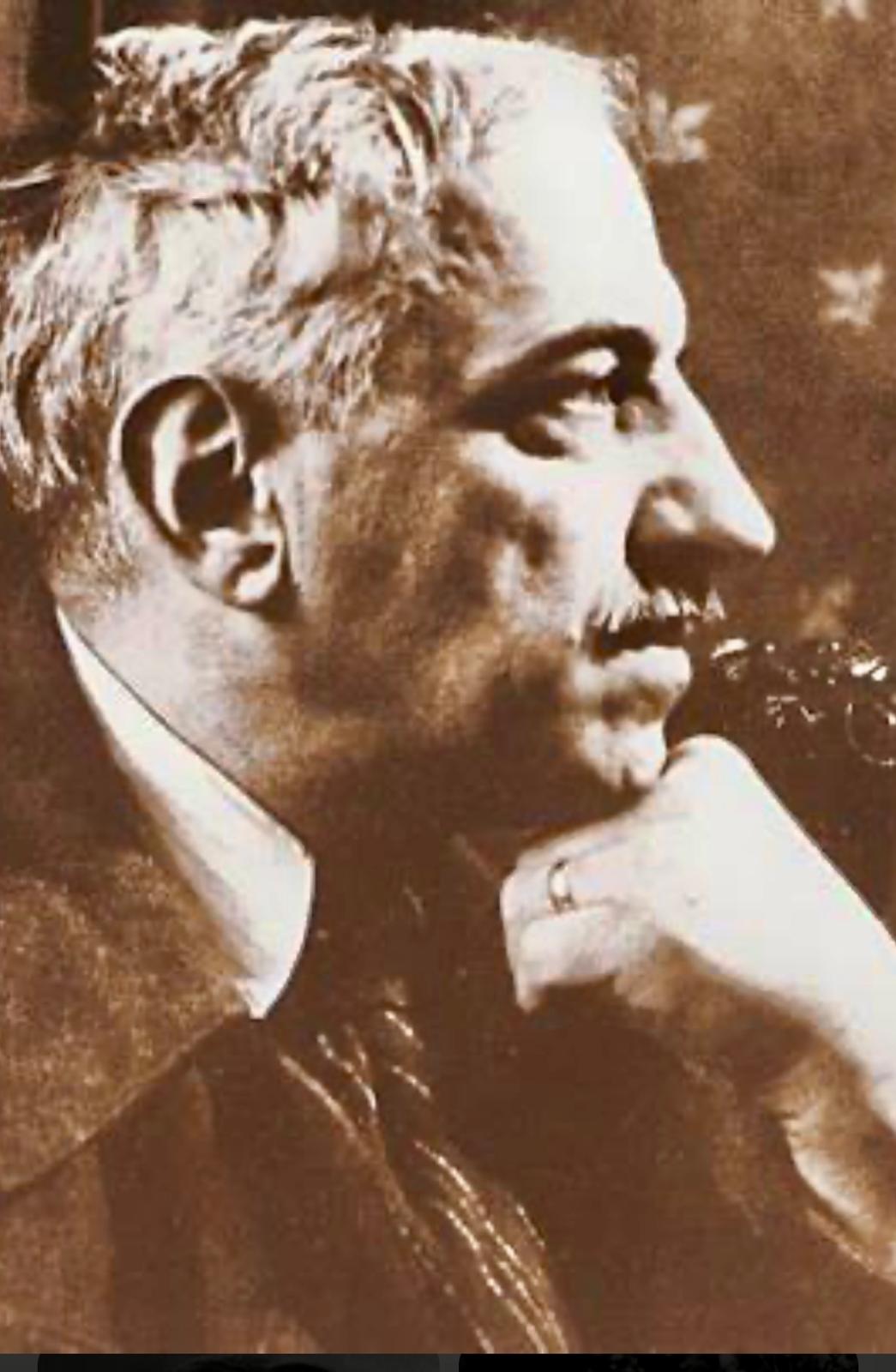


Borys Liyatoshynskyi (1895-1968)
The example of Borys Lyatoshynsky, who is considered the founder of the Ukrainian avant-garde, is the best way to explain the special features of modern Ukrainian music.
Rooted in the late Romantic music of Richard Wagner, Gustav Mahler and Franz Liszt, clearly influenced by Alexander Scriabin and Austrian Expressionism as well as the Second Viennese School (Arnold Schoenberg and Alban Berg), in the 1920s Lyyatoshynsky used unusual and radical compositional techniques such as those found in both the Hungarian B. Bartok and the Polish composer Karol Szymanowski. Lyatoshyinsky created a new music by combining expressionist, impressionist and neo-folkloristic elements and establishing them in the Ukraine. His music developed a lively, individual style that expanded the styles and genres that had existed up to that point. His piano works of the 1920s are a unique example of this Ukrainian modernism. In 1923, Arnold Schönberg published his new tonal system, the twelve-tone technique. In the same year, Lyatoshynsky wrote a cycle of five pieces for piano (op. 23).
Based on clear humanist convictions, he depicted the pronounced contradictions and tragedy of existence in a totalitarian society in his music. In the 1960s, his students Valentin Silvestrov, Vitaly Godziatsky, Petrov Solovkin, Leonid Grabovsky and others founded a music group called the “Kiev Avant-Garde”, which was characterized by a renewal of the musical language, avant-garde experimentation and the dominance of the Soviet Union.
language, avant-garde experimentation and mastery of 20th century compositional techniques (aleatoric, twelve-tone technique, sonorism, etc.). During the Soviet era, these composers were subjected to strong criticism and repression.