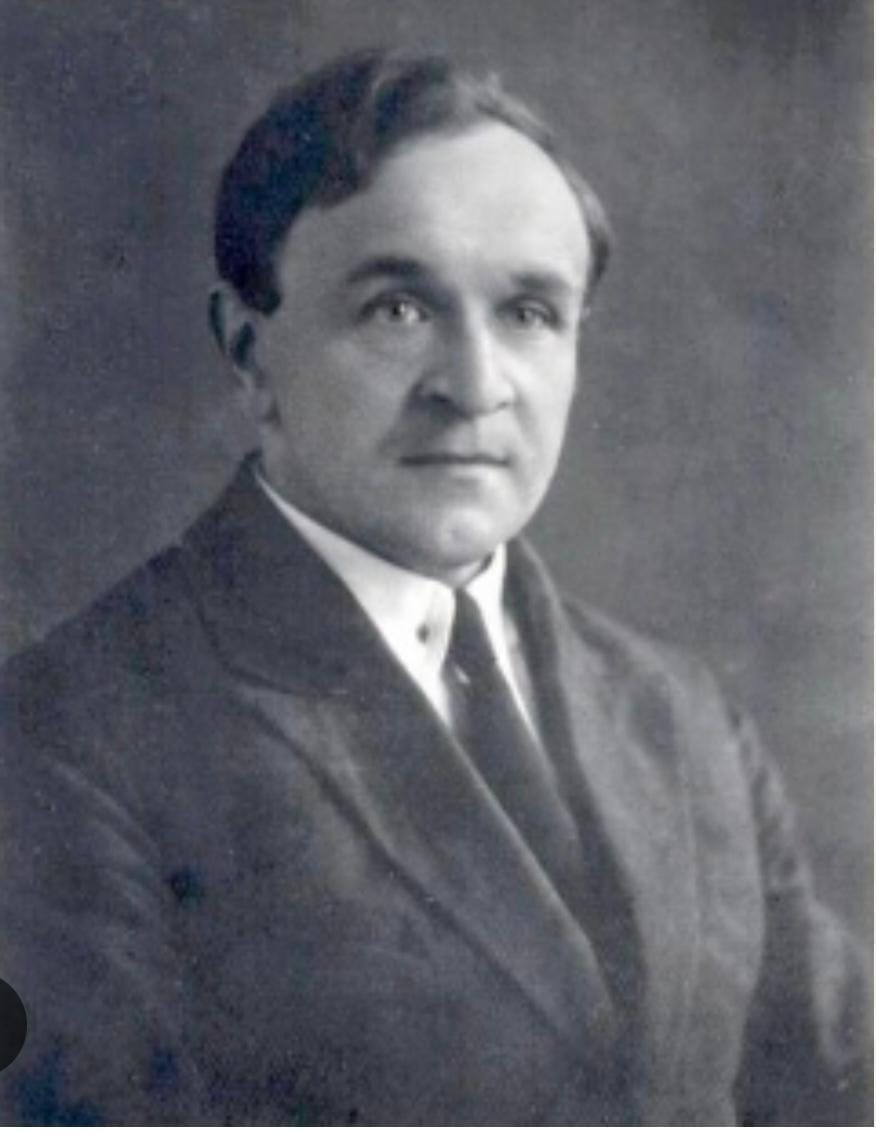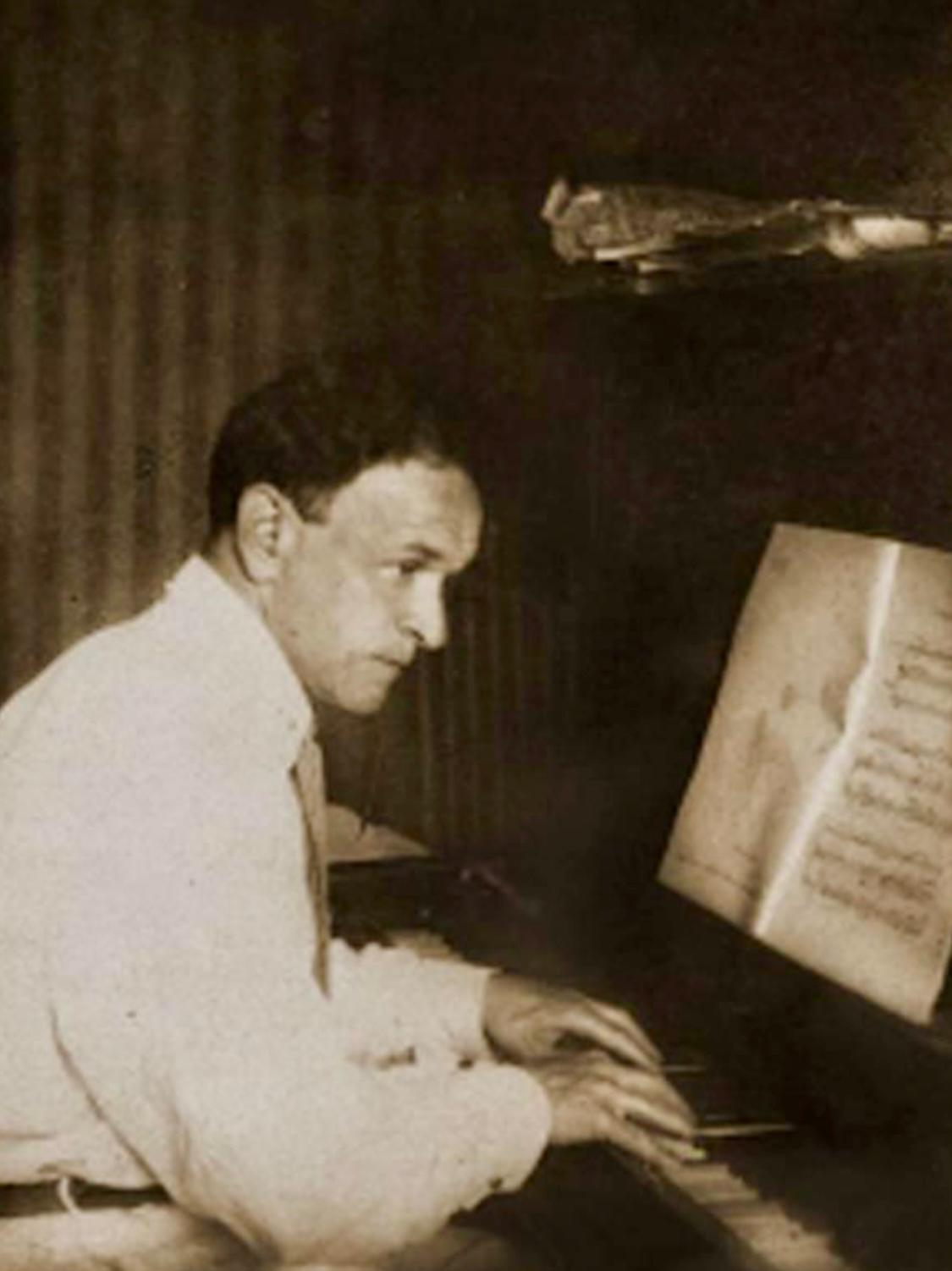


Viktor Kosenko (1896-1938)
The Ukrainian composer Viktor Kosenko is both well-known and unknown at the same time. Although his piano works were played by virtuoso pianists and piano students alike, his entire oeuvre remained largely unknown to the general public.
Born in St. Petersburg, he grew up in Warsaw in a highly musical family and composed his first piano work at the age of 12. He was initially taught at the Conversatorium in Warsaw and then continued his studies in the piano and composition faculties in St. Petersburg.
After completing his studies in 1918, Kosenko moved to Zhytomyr, a small town in the Ukrainian province, where he developed an extensive career as a performer, composer and teacher. His life and his relationship to the ruling Soviet power remain largely in the dark. He may have chosen the provinces in the hope of escaping state control and repression, and he did indeed compose numerous piano works, romances and instrumental music during this time. Although his works were initially praised for their variety and virtuosity, printed music was banned in 1935, planned performances were canceled and portraits of him were removed.
Shortly before his death, he was showered with honors and his works were allowed to be published again.
In 1938, Kosenko died of a serious illness at the age of 41. After his death, he continued to be demonstratively honored, but was still mainly portrayed as a composer of children’s music. On the one hand, this was a well-known method of minimizing the importance of composers (and portraying them as not equal to Russian music); on the other hand, it was also an attempt by composers to evade Russian guidelines and restrictions.
Kosenko’s music, virtuosic and sophisticated, is highly acclaimed in Europe and America today. On the one hand, it fits into the (Western) European context, but never denies its Ukrainian origins and its perception of the world, which is based on emotion and localized in the heart.
Kosenko left behind dozens of works that belong to the fund of Ukrainian piano music. Many generations of pianists have grown up with the “Album for Piano Pieces”.
Further works: ( please add this as a separate link
Symphonic Music:
Heroic Overture for Symphony Orchestra (1932)
Moldavian Poems (1937)
Piano and orchestra
Concerto (1928-1937), completed by L. Revutskyi and G. Mayboroda
Chamber music:
Trio (1927)
Sonata for violoncello and piano (1923)
Sonata for violin and piano (1927)
Sonata for viola and piano (1928)
Violin concerto
Piano:
6 Poems (1915-1921)
2 Poems (1921)
3 Sonatas (1922,1924,1926-1930)
2 concert waltzes (1931)
11 Etudes op. 8
Etudes, Mazurkas, (op.3 and 9), Minuet op.3, Nocturne-Fantasy op.4, Nocturne op.9, Preludes etc.
Romances to texts by Ukrainian and Russian poets (P. Tikhina, A. Pushkin, A. Blok, A. Apukhtin, K. Balmont and others)
Songs, arrangements of Ukrainian folk songs for male quartet a capella
24 works for children, including a cycle of 6 children’s Christmas songs (1936-1938)
Music for the film “The Last Port” (1934, directed by A. Kordjum), musical accompaniment for plays
Arrangements and harmonizations of Ukrainian, Russian and Belarusian folk songs
Works for choir